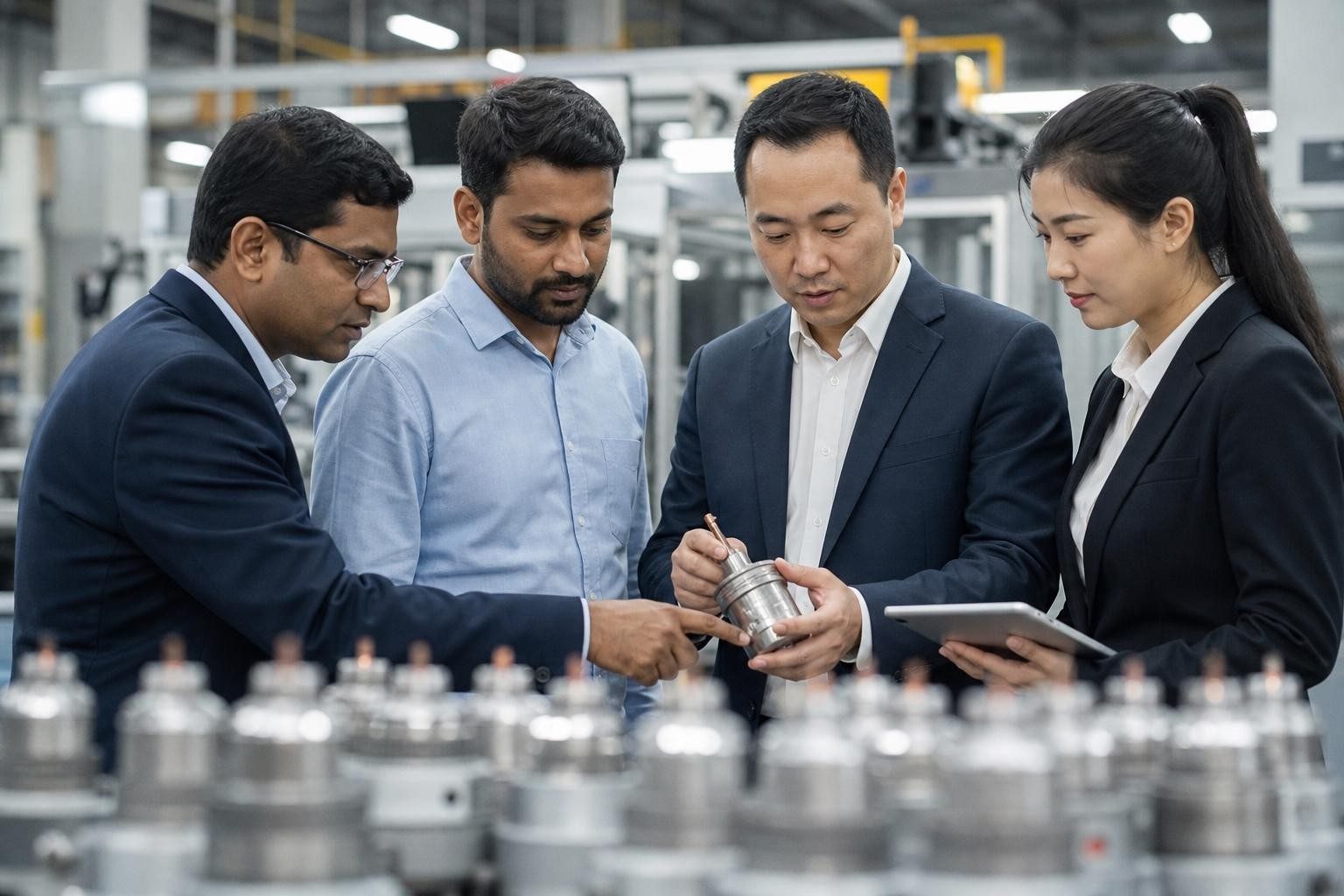
Small businesses importing from China often wonder whether they should buy directly from a factory or hire a China sourcing agent. Direct purchasing may eliminate a separate agency fee, but buyers still need to find suppliers, verify product specifications, manage quality, and coordinate shipments. A sourcing agent can handle some of that work in exchange for fees. The right choice depends on your experience, purchasing volume, and complexity.
1. What Direct Factory Purchasing Involves
Direct purchasing means managing the commercial relationship with a manufacturer yourself. You negotiate specifications, price, MOQ, samples, contractual terms, production milestones, inspection, payment, and shipping. This can work well with a stable supplier and a capable internal procurement team. It also places more coordination responsibilities on the buyer.
2. What a Sourcing Agent Can Do
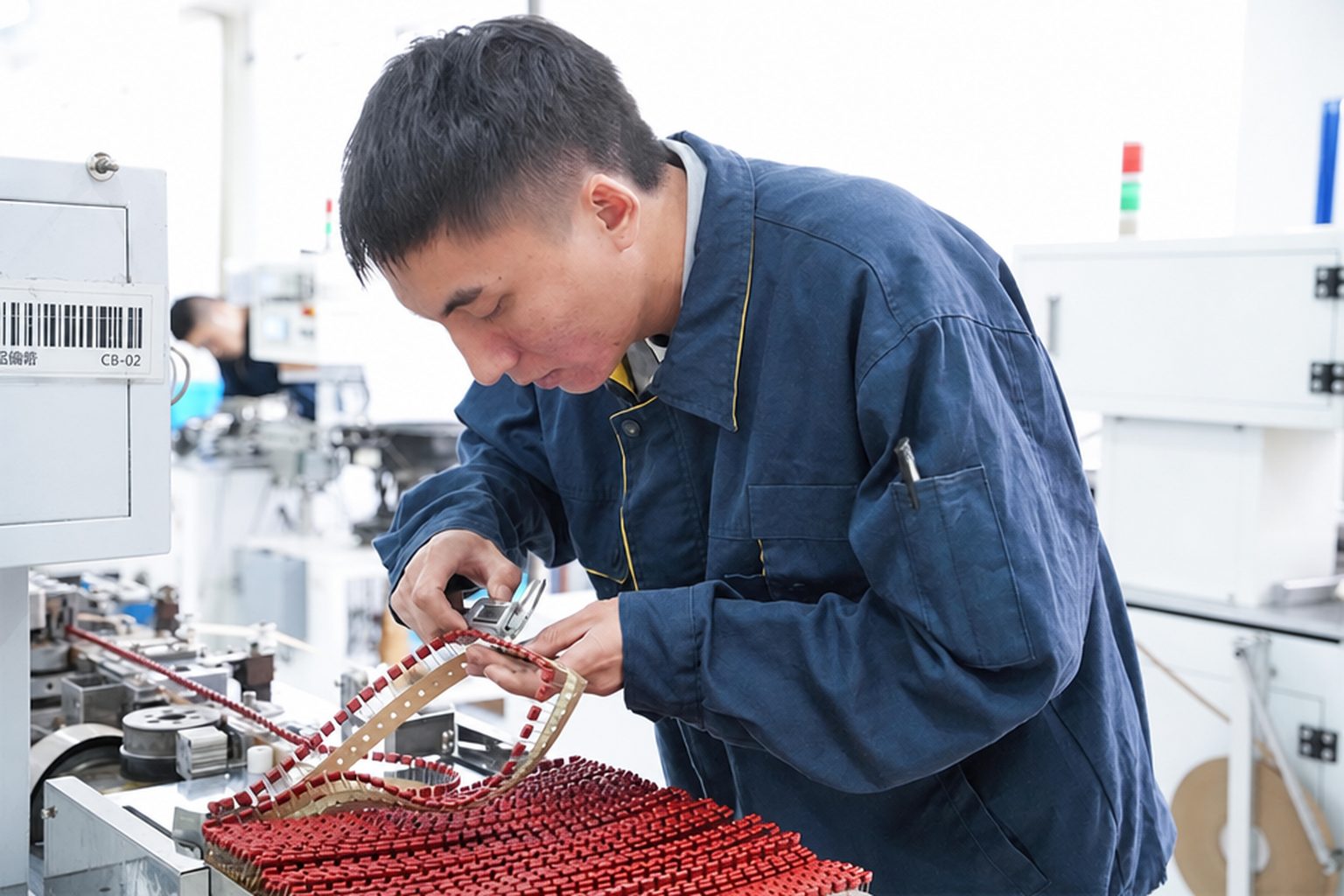
Depending on the agreed service scope, an agent may research suppliers, request quotations, verify company details, coordinate samples, follow production, arrange independent inspections, consolidate purchases, and assist with shipping documentation. Services differ widely between providers. Confirm what is included, what costs extra, and who is accountable for each stage.
3. Comparing Total Procurement Costs
Direct sourcing is not cost-free: staff time, travel, translation, inspections, sample shipments, and production troubleshooting have real costs. Agent-assisted sourcing adds service fees but may reduce coordination workload. A useful comparison includes unit prices, procurement labor, agent fees, quality costs, domestic freight, international shipping, duties, taxes, and expected returns. Compare like-for-like scenarios rather than simply adding a percentage to the factory price.
4. When Direct Purchasing Makes Sense
Direct purchasing may be a strong option when you buy repeatedly from one dependable manufacturer, know your specifications, maintain your own quality checks, and can handle export communication. It may give clearer access to engineering and production decisions. Make sure you have a verified legal counterpart and written remedies for nonconforming products.
5. When an Agent Adds Value
Agent support can be particularly useful for small mixed orders, multiple product categories, Chinese domestic-market suppliers, or purchases from several cities. It may also help teams that have limited Chinese-language capabilities or cannot visit suppliers personally. The service is valuable only when it solves a real problem at a reasonable and transparent cost.
6. Supplier Transparency and Conflicts of Interest
Ask whether suppliers and factory identities will be disclosed, whether supplier rebates are received, and whether quotations are passed through transparently. Clarify who contracts with the manufacturer, who owns tooling or product designs, and how payments are handled. A well-documented process helps both buyer and agent avoid misunderstandings.
7. Quality Control Is Still the Buyer’s Responsibility
Neither direct buying nor an agent automatically guarantees quality. Define measurable specifications, approved samples, inspection procedures, defect thresholds, and corrective actions. For complex or high-value orders, consider independent inspection. Require clear records of who approved samples, accepted production, and authorized shipment.
8. A Hybrid Model May Be Best
Some businesses retain direct contracts and factory communication while paying a local partner to inspect goods, coordinate samples, or consolidate shipments. Others use an agent initially to identify suppliers and establish procedures before moving to direct procurement. Choose a model based on which activities your internal team can reliably perform.
9. Questions to Ask Before Hiring
Request a written fee schedule and service scope. Ask for supplier disclosure policies, who makes payments, whether inspection providers are independent, how defects and delays are handled, what happens if an order is canceled, and whether factory contacts remain accessible. Consider a small pilot order before committing to a long-term arrangement.
Conclusion
Direct factory sourcing offers control and can be efficient for experienced buyers. A China sourcing agent can provide coordination and local support when sourcing is fragmented or unfamiliar. Evaluate the total business cost, not just the quoted unit price, and make sure the chosen model has transparent responsibilities.
Related Products and Guides
- All wholesale product categories — the full range sourced from Chinese factories.
- Power charging and batteries — power banks, chargers and cables.
- Audio equipment — earbuds, headphones and speakers.
- Smart wearables — watches, bands and accessories.
Related reading: What Is a China Sourcing Agent? and How to Verify a Chinese Supplier.
Looking for Sourcing Support in China?
Easy Buy China focuses on helping overseas buyers explore sourcing options. Discuss Your Sourcing Setup, target quantities, destination market, and purchasing challenges to discuss a practical approach.
FAQ — Do I need an agent to buy from China?
No. Many experienced importers work directly with manufacturers.
FAQ — What fees do sourcing agents charge?
Fees vary by provider and service scope; always obtain a written breakdown.
FAQ — Can I keep direct communication with factories?
Often this is possible, depending on the commercial agreement; clarify it before engaging a partner.
发表回复