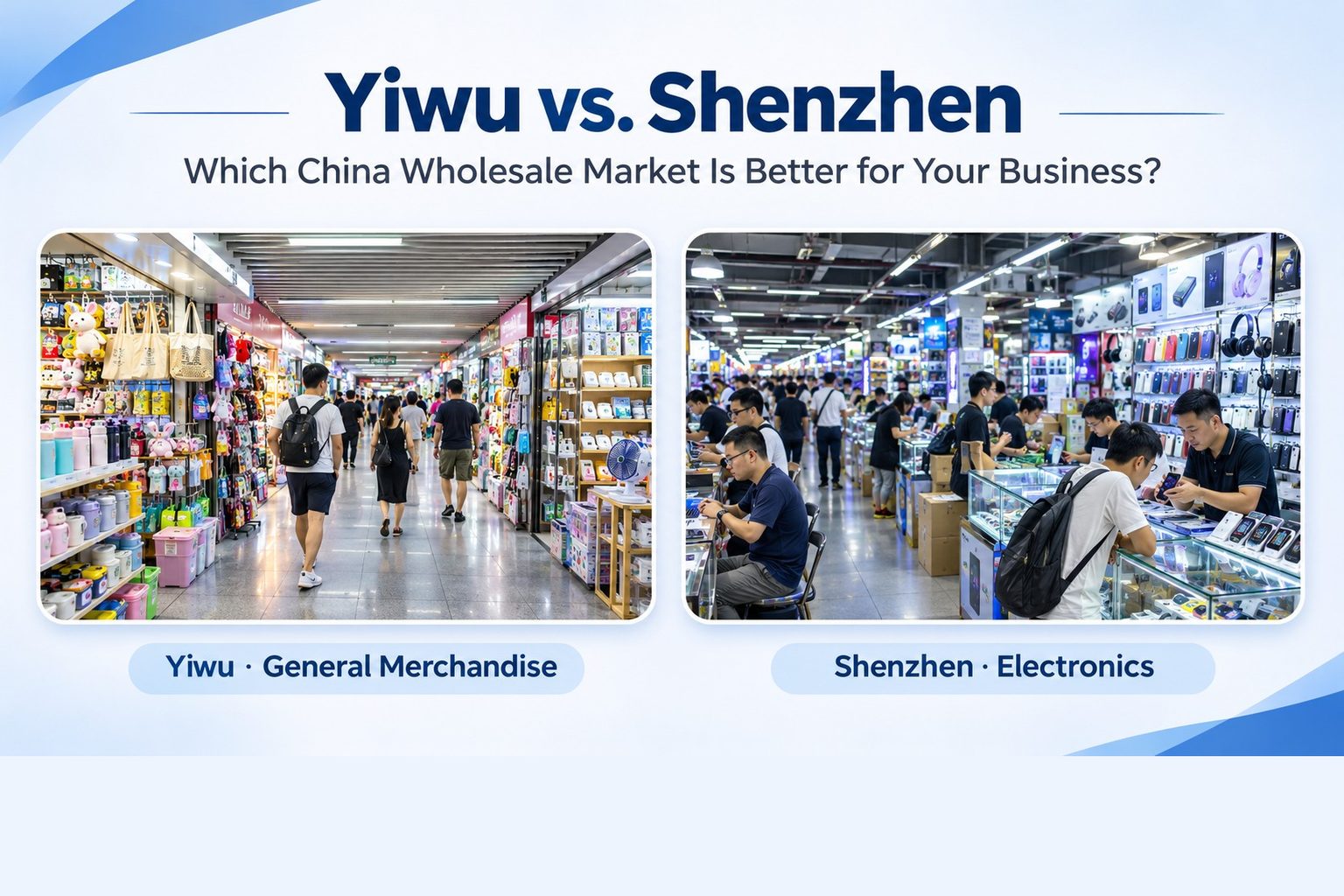
Yiwu and Shenzhen are two well-known sourcing destinations in China, but they offer quite different product ecosystems. Yiwu is especially associated with small commodities and broad general merchandise. Shenzhen, including the Huaqiangbei area, is closely linked with electronics and technology-oriented supply chains. The better choice depends on what your business sells—not on which city is more famous.
1. What Buyers Find in Yiwu
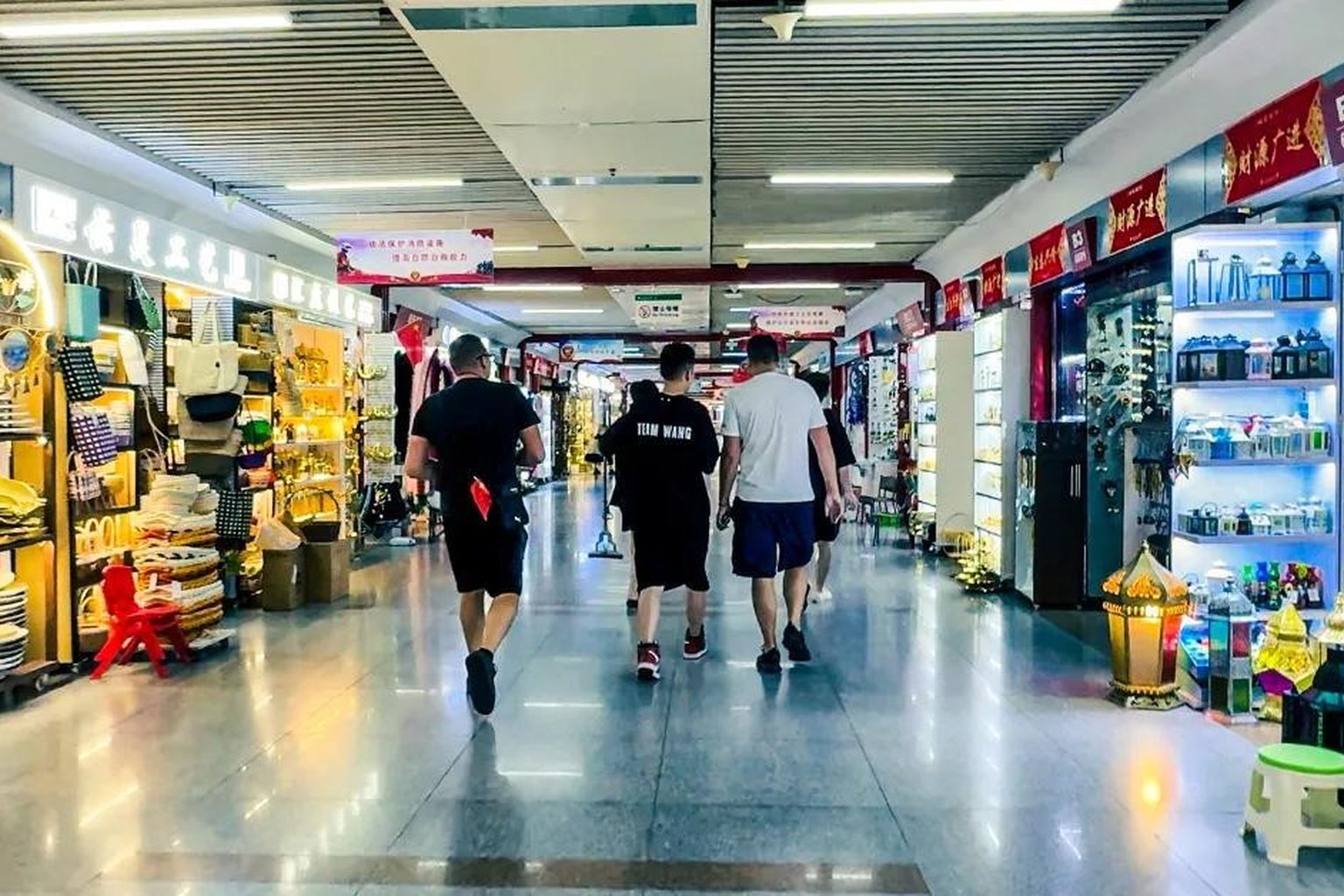
Yiwu International Trade Market is known for a wide range of consumer goods: household accessories, gifts, stationery, decorative items, toys, fashion accessories, and seasonal merchandise. This variety can be useful for general merchandise stores and wholesalers building multi-category assortments. However, individual stalls vary in sourcing model, product quality, and export experience.
2. What Buyers Find in Shenzhen
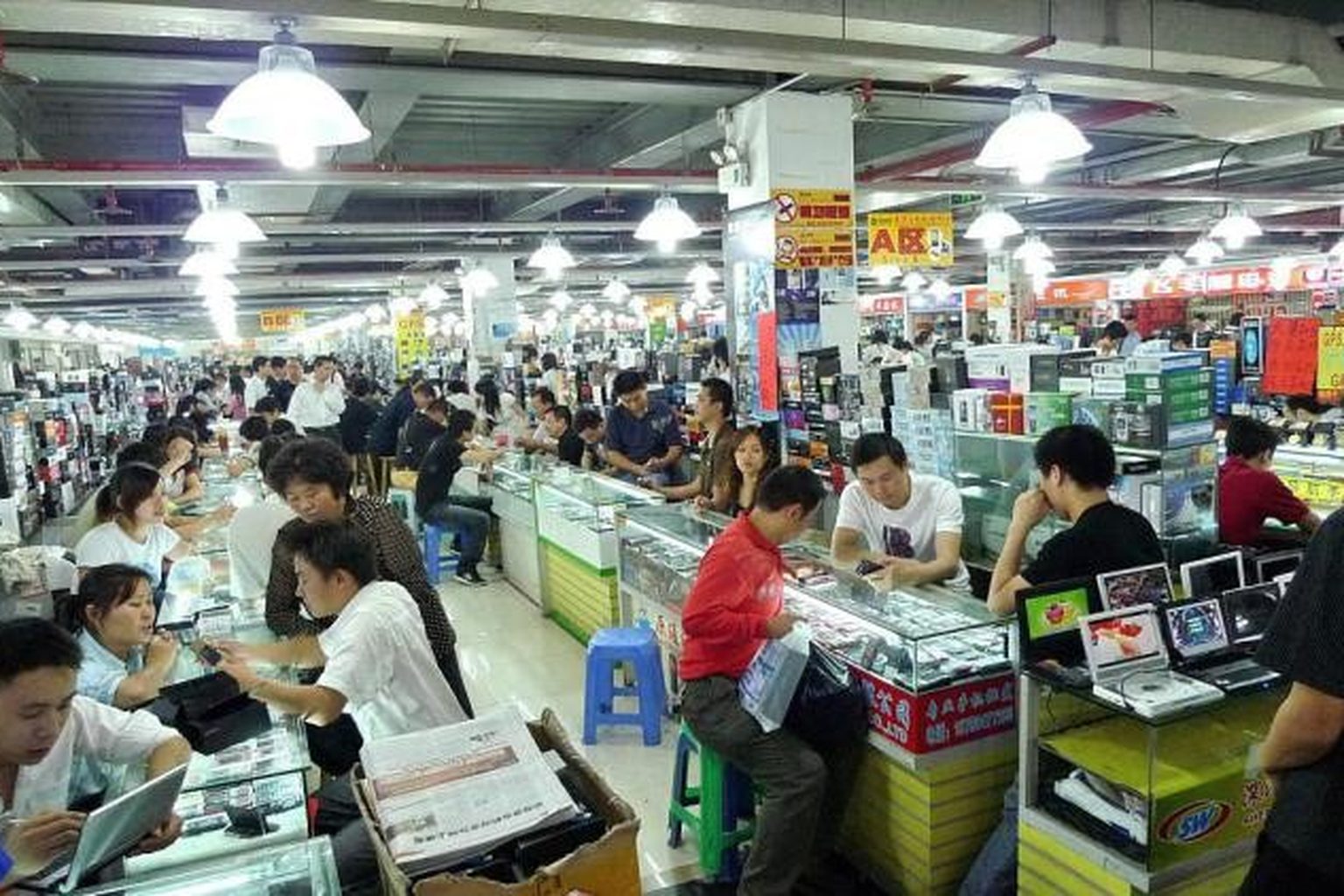
Shenzhen is a major center for electronics businesses. Buyers visiting Huaqiangbei may encounter phone accessories, audio devices, components, connected devices, repair parts, and other consumer technology products. The wider region also includes manufacturers and specialist suppliers. A wholesale shop, distributor, design house, and actual factory are different business types, so confirm who is responsible for production and product support.
3. Choosing Based on Product Category
For general merchandise, gifts, home accessories, and varied seasonal products, Yiwu may be more efficient to explore. For electronics, components, or technology-related customization, Shenzhen may be the more relevant starting point. If you source both categories, working with suppliers in different regions can make sense, but it adds coordination and shipping considerations.
4. Is One Market Cheaper?
There is no meaningful city-wide answer. A comparable quotation requires the same product material, quality grade, packaging, purchasing quantity, inspection requirements, and shipping terms. The costs of local pickup, export preparation, defects, and replenishment can be more important than a minor difference in listed price.
5. How to Plan a Productive Market Visit
Prepare a product list, target specifications, desired quantities, reference images, and budget range. Record stall names, contacts, model numbers, and quoted conditions. Ask whether the vendor is a factory, authorized distributor, or trader; request samples and written quotations. For regulated products, obtain model-specific compliance documentation. Do not rely solely on market displays or verbal promises.
6. Small Orders and Mixed Purchasing
Market visits can help retailers discover existing stock and test categories. Nonetheless, MOQ depends on the seller and product, and mixing designs does not automatically reduce minimums. Ask whether assorted colors, packaging options, and different models can be combined and how that affects the price and availability. Create a simple comparison sheet to avoid losing track of multiple vendors.
7. Remote Buying Without a Market Visit
Overseas buyers can research vendors online and use photos, video calls, specifications, and samples to evaluate products. A third-party audit or pre-shipment inspection may be appropriate for larger commitments. Clarify whether a local purchasing partner can collect goods, confirm quantities, arrange inspection, and coordinate exports; the scope and fees should be written down.
8. Logistics and Consolidation
If you purchase from several stalls, collection and consolidation may reduce operational complexity, but it introduces handling and inspection needs. Record carton counts, packing lists, delivery addresses, and the party responsible for discrepancies. For electronics, include battery restrictions and applicable destination-market rules in logistics planning. Freight quotations should reflect actual dimensions, weights, and shipping terms.
Conclusion
Choose Yiwu for a broad general-merchandise search and Shenzhen for electronics-focused sourcing. In either market, supplier verification and total landed cost matter more than the reputation of the location. Build a repeatable supplier evaluation process before placing sizable orders.
Related Products and Guides
- All wholesale product categories — the full range sourced from Chinese factories
- Audio equipment — earbuds, headphones and speakers
- Power charging and batteries — power banks, chargers and cables
- Smart wearables — watches, bands and accessories
Related reading: How to Verify a Chinese Supplier and China Wholesale Electronics: Best Categories for 2027.
Planning a China Wholesale Market Sourcing Project?
Easy Buy China can discuss your product list, preferred quantities, supplier research, and purchase coordination needs. Share Your Product Categories to explore sourcing options relevant to your categories.
FAQ — Is Yiwu only for small buyers?
No. The market serves different buyer types; order requirements vary by vendor and product.
FAQ — Does Huaqiangbei guarantee factory-direct prices?
No. Many businesses operating in wholesale markets are distributors or trading firms rather than manufacturers.
FAQ — Can I buy remotely?
Yes, but written requirements, supplier checks, samples, and appropriately scoped inspections remain important.
发表回复